
As Dashboard Buttons Disappear, AI Takes Their Place Cars Are Evolving from Transportation into Lifestyle Platforms
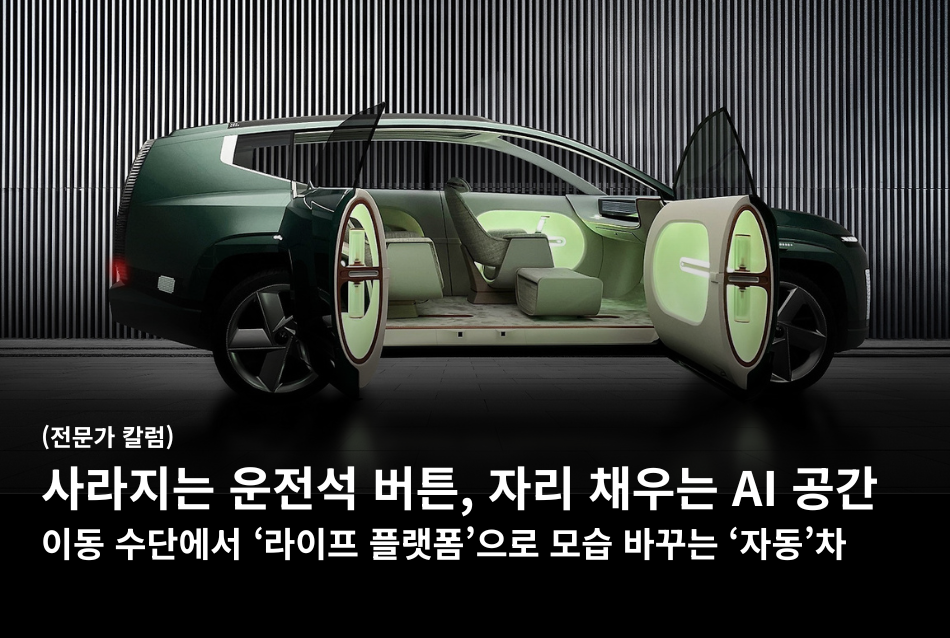
지금 여러분 마음 속 장바구니에 담겨 있는 자동차는 뭔가요? 5년 전, 10년 전, 아니 처음 운전면허를 딸 때부터 가슴을 뛰게 했던 그 차들은 어떤 매력이 있었나요?
자동차가 처음 만들어진 이후 100여년 간 가장 큰 고민은 ‘달리기’에 있었습니다. 더 빠르고 강력하게 달리는 것이 자동차의 미덕이었고, 이를 위해 엔진 배기량, 마력, 최고 속도 등이 차량을 알리는 핵심이었지요. 하지만 당장의 미디어 광고만 살펴봐도 그 누구도 엔진의 출력을 이야기하지 않습니다. 대신 차량 안에서 가족이 즐겁고 행복하게 이동하고 취미를 즐기는 이상적인 그림을 그려내고 있습니다. 이런 장면이 소비자들의 마음을 움직이게 하는 시대가 열리고 있다는 이야기입니다.
What kind of car is sitting in your dream shopping cart today? Think back five years, ten years—or even to the first time you got your driver's license. What was it about your dream car that made your heart race?
For more than a century, the automotive industry's biggest challenge was simple: how to make cars run faster and farther. Engine displacement, horsepower, and top speed were once the defining measures of a vehicle. Today, however, the conversation has changed. Even a quick look at today's automotive advertisements reveals that few people are talking about engine performance anymore. Instead, they showcase families enjoying quality time together, people pursuing their hobbies while traveling, and vehicles that enrich everyday life. It reflects a new era in which the true value of a car lies not only in how it performs, but in the experiences it creates.
👉 음성 인식으로 버튼 대신 차량과 직접 소통
👉 거주 공간으로서의 자동차
👉 생산부터 관리까지… AI로 이어지는 브랜드와 소비자의 관계
👉 이동에서 라이프스타일로, AI로 변화하는 다음 세대의 자동차 경험
👉 Talking to Your Car Instead of Pressing Buttons
👉 The Car as a Living Space
👉 From Production to Predictive Maintenance:
How AI Is Redefining the Relationship Between Brands and Drivers
👉 From Transportation to Lifestyle: How AI Is Shaping the Next Generation of Mobility
🚘달라지는 자동차의 가치, 배기량에서 연결성으로 그리고 다시 토큰으로
From Engine Power to Connectivity—and Now, to Tokens
자동차의 본질은 여전히 이동수단입니다. 한 발 더 나아가 그 위에는 ‘왜’, 그리고 ‘어떻게’ 이동하는지에 대한 답을 내는 것이 지금 자동차 업계의 가장 큰 고민입니다. 그 가치를 만들어내는 가장 큰 도구는 인공지능입니다. 자동차와 인공지능의 결합을 떠올리면 자율주행을 가장 먼저 생각하지만, 사실 AI는 이미 운전석 내부에 깊숙이 스며들어 우리의 이동 경험 자체를 뿌리부터 바꾸어 놓고 있습니다.
At its core, a car is still a means of transportation. But today's automotive industry is asking a much bigger question: why do we travel, and how should that journey be experienced? The key technology driving this transformation is artificial intelligence. When we think about AI in cars, autonomous driving often comes to mind first. In reality, however, AI has already become deeply embedded in the cockpit, fundamentally reshaping the way we experience mobility. Perhaps the most profound shift is that a vehicle is no longer seen simply as a machine—it is becoming another living space.
달라지는 자동차에 대한 인식 중 가장 근본적인 변화는 차량이 또 하나의 거주 공간이라는 점입니다. 우리는 차 안에서 남몰래 음악을 틀어놓고 실연의 아픔을 달래기도 했고, 배우자와 다툰 뒤 커피 한 잔 사 들고 차에서 유튜브를 보며 화를 누르기도 합니다. 어쩌면 자동차는 우리에게 가장 사적인 공간일 겁니다. 어떤 공간에든 갈 수 있고, 그 곳을 나만의 공간으로 만들어주는 것이 바로 자동차이니까요.
We've all had moments in our cars that are uniquely personal: listening to music after a heartbreak, taking a quiet break after an argument, or simply sitting with a cup of coffee while watching YouTube before heading home. In many ways, a car may be the most private space we have. It can take us anywhere while allowing us to create a personal space of our own.
이동하는 과정 뿐 아니라 멈춰 있는 순간까지, 차량 내의 경험은 가장 중요한 요소로 자리를 잡아가고 있습니다. ‘차량 안에서 무엇을 할 것인가’의 가치인 것이지요. 인공지능은 이 부분에서 여러가지 답을 만들어낼 수 있습니다. 먼저 자동차 안의 모습을 떠올려볼까요?
Today, the value of a vehicle extends beyond the journey itself to include the moments when it is standing still. Increasingly, the question is no longer "Where can this car take me?" but rather "What can I do inside this car?" This is where AI has the potential to unlock entirely new possibilities. Let's imagine what the interior of the future might look like.
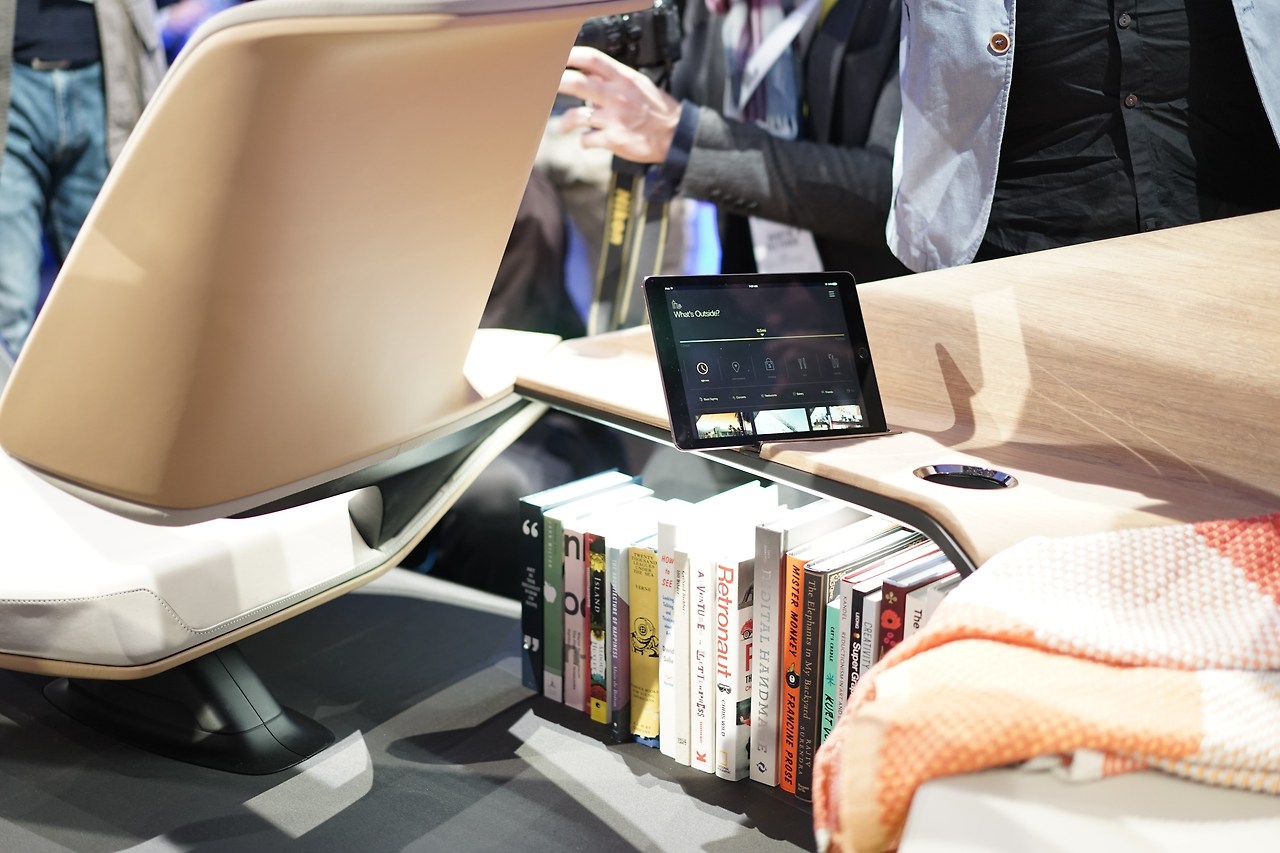
이제까지 자동차의 인테리어는 대부분 운전자를 위해서 설계되어 왔습니다. 특히 운전을 하는 동안 도로에서 눈을 떼지 않고 원하는 것들을 쉽게 다룰 수 있도록 대부분의 메뉴들을 직관적인 버튼으로 구성하는 것이 차량의 인테리어, 그리고 UX의 기본이었습니다.
Until recently, automotive interiors were designed primarily around the driver. The fundamental principle of in-vehicle UX was to make frequently used functions accessible through intuitive physical buttons, allowing drivers to operate the vehicle without taking their eyes off the road.
하지만 최근 자동차 소프트웨어의 UX는 전통적인 흐름을 버리고 스마트폰과 태블릿 등 IT 기기들의 그것을 따르고 있습니다. 훨씬 세세하게 차량을 다룰 수 있다는 것 뿐 아니라 버튼을 줄여 차량 전체의 디자인을 자유롭게 설계할 수 있다는 강점도 있습니다. 더 많은 공간을 확보하고, 운전석 주변 인테리어는 그 어느 때보다 깔끔해졌습니다.
Today, however, automotive UX is increasingly following the design philosophy of smartphones and tablets rather than traditional vehicles. Beyond enabling more sophisticated vehicle controls, digital interfaces also reduce the number of physical buttons, giving designers greater freedom to create cleaner, more open interiors. As a result, cabin space is becoming more spacious, while the cockpit has never looked more minimal and refined.
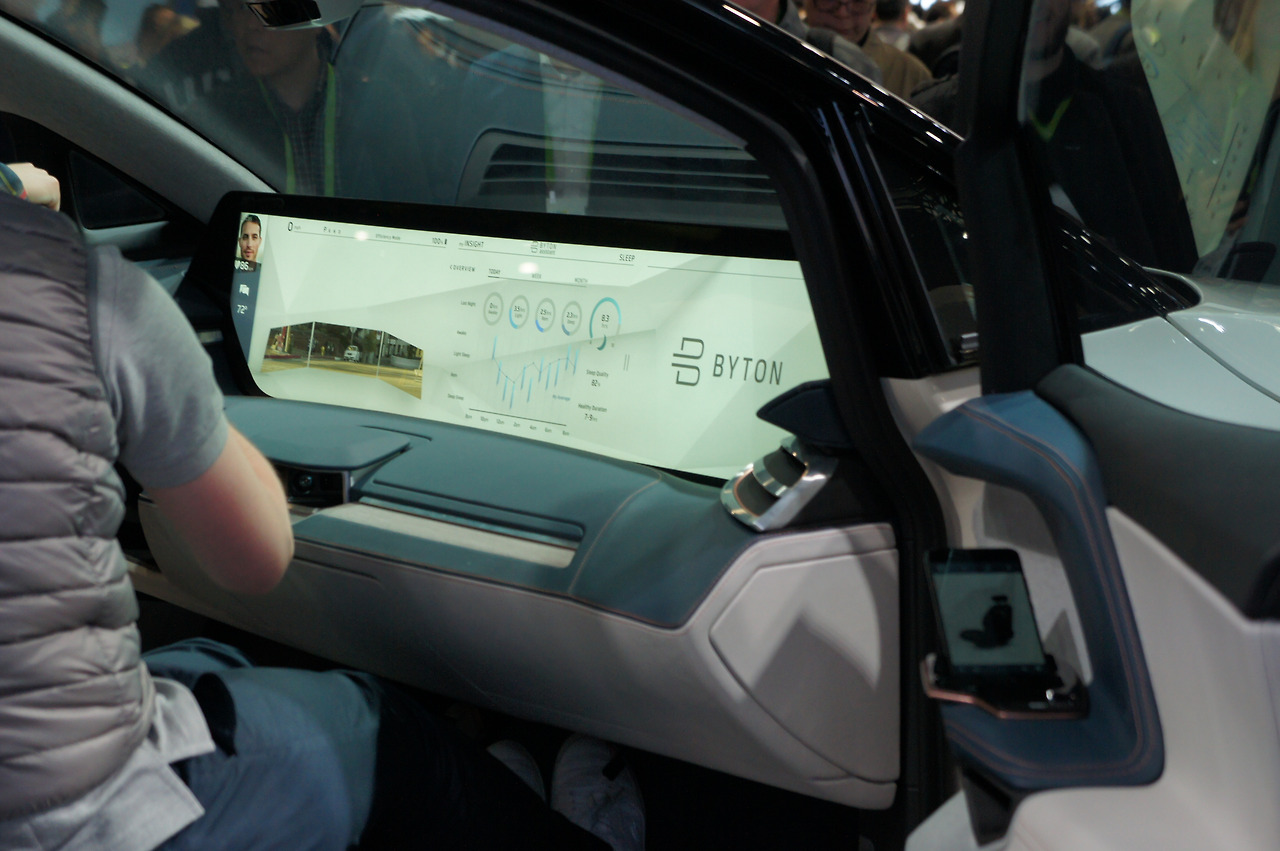
그런데 과연 이 ‘버튼 없는’ 인터페이스가 만족스러우신가요? 보기 좋은 것과 달리 다른 한 편으로는 원하는 기능이 모두 버튼으로 밖에 나와 있지 않고, 터치스크린을 눌러 찾아야 하기 때문에 시선이 흐트러지는 것에 대한 우려의 목소리도 있습니다. 자동차 기업들이 점점 더 터치스크린 기반의 UX를 찾아갈 수 있는 밑바탕에는 운전중이라도 하더라도 필요한 기능을 찾는 얼마간의 시간 동안은 운전대를 대신 잡아줄 수 있다는 주행 보조 장치에 대한 자신감이 있기 때문일 겁니다.
But is this button-free interface really the ideal solution? While the clean, minimalist design is visually appealing, some users have raised concerns that accessing vehicle functions now requires navigating through touchscreen menus instead of simply pressing physical buttons. This can potentially distract drivers by taking their eyes off the road. One reason automakers continue to embrace touchscreen-based UX is their growing confidence in advanced driver assistance systems (ADAS), which can temporarily support the driving task while drivers interact with the vehicle interface.
‘제대로 된’ 음성 인식 기술이 들어가는 것도 하나의 이유가 될 수 있습니다. 차량의 디스플레이와 인테리어의 변화까지도 사실 그 뿌리는 인공지능에 있다는 이야기입니다. 대규모 언어 모델에 기반한 음성 인식은 시선을 떼지 않고 차량 기능을 제어하는 ‘핸즈프리(Hands free)’, ‘아이즈프리(Eyes free)’등의 방향성을 따라서 움직여 왔습니다.
Another key enabler is the rapid advancement of voice recognition technology. In many ways, the evolution of vehicle displays and interior design is also rooted in AI. Powered by large language models (LLMs), next-generation voice assistants are making it possible to control vehicle functions without touching the screen or looking away from the road—bringing the industry closer to a truly hands-free and eyes-free driving experience.
🎙️음성 인식으로버튼 대신 차량과 직접 소통
Talking to Your Car Instead of Pressing Buttons
당장 중앙 디스플레이 중심의 새로운 UX를 이끌어가는 테슬라만 해도 십 수년의 업데이트를 통해 기능이 추가되면서 이제는 단번에 기능의 위치를 떠올리기 어려울 만큼 메뉴 구조가 상당히 복잡해졌습니다. 하지만 이를 풀어내는 것은 UX의 개선이 아니라 바로 음성 인식에 기반한 인공지능입니다.
Take Tesla, for example. As a pioneer of the large center-display interface, Tesla has continuously added new features through software updates over the years. As a result, its menu structure has become so extensive that even experienced users may struggle to remember where every function is located. The solution, however, isn't simply a better menu design—it's AI-powered voice interaction.
아직 국내에는 도입되지 않았지만 테슬라에는 친척 회사격인 xAI가 만든 그록(Grok)이 도입되고 있습니다. 그록 역시 여느 언어 모델들처럼 자연어로 이용자의 맥락을 기억하고 이해하는 서비스입니다. 그래서 단순히 ‘에어컨 온도를 21도로 맞춰줘’ 같은 기존의 명령어가 아니라 “차 안의 공기가 조금 꿉꿉한 느낌인데…”라고만 이야기해도 적절한 온도와 습도를 맞출 수 있습니다.
Although not yet available in Korea, Tesla has begun integrating Grok, the AI model developed by its sister company xAI. Like other large language models, Grok understands natural language and remembers conversational context. Instead of issuing specific commands such as "Set the air conditioner to 21°C," users can simply say, "The air feels a little stuffy," and the AI can automatically adjust the temperature and humidity to create a more comfortable environment. It may sound like a futuristic concept, but it's actually no different from how we already interact with our PCs and smartphones every day.
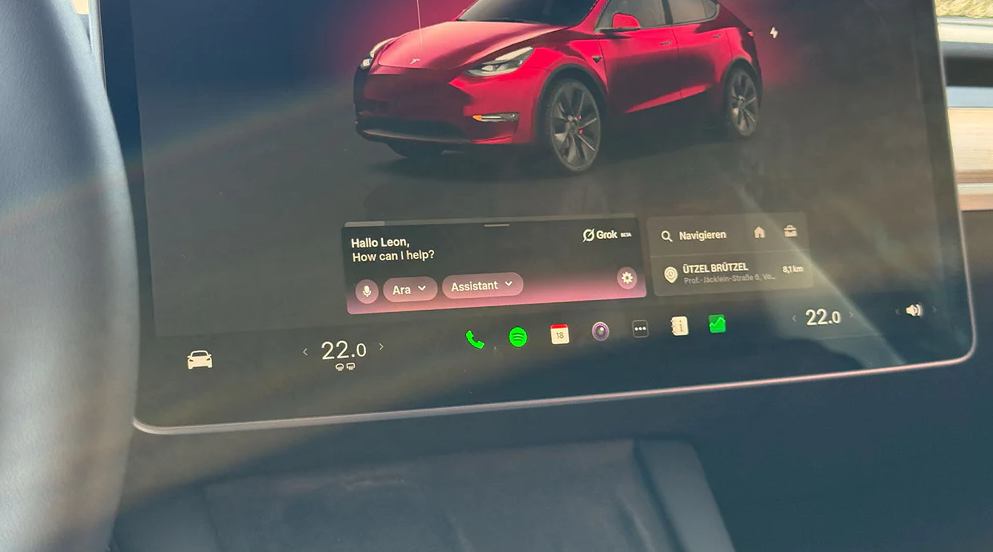
조금은 낯선 그림이지만 이미 우리가 PC로, 스마트폰으로 매일 하는 일들과 다르지 않죠. 심지어 이미 음성 인식 기능이 적용된 차량들도 적지 않습니다. 다만 기술적으로 ‘말귀’가 잘 안 통할 뿐이죠. 음성을 이해하는 AI 모델의 능력이 가장 크지만 전체적인 차량의 소프트웨어, 인터페이스 설계라는 큰 그림으로 바라봐야 합니다. 단순히 언어를 알아듣는 것을 넘어서는 변화이기 때문입니다.
In fact, many vehicles today already support voice commands. The difference is that today's systems often struggle to truly understand what people mean. Improving the AI model is certainly important, but the real transformation goes beyond voice recognition itself. It requires rethinking the vehicle's entire software architecture and user interface. The future isn't simply about cars understanding words—it's about cars understanding people.
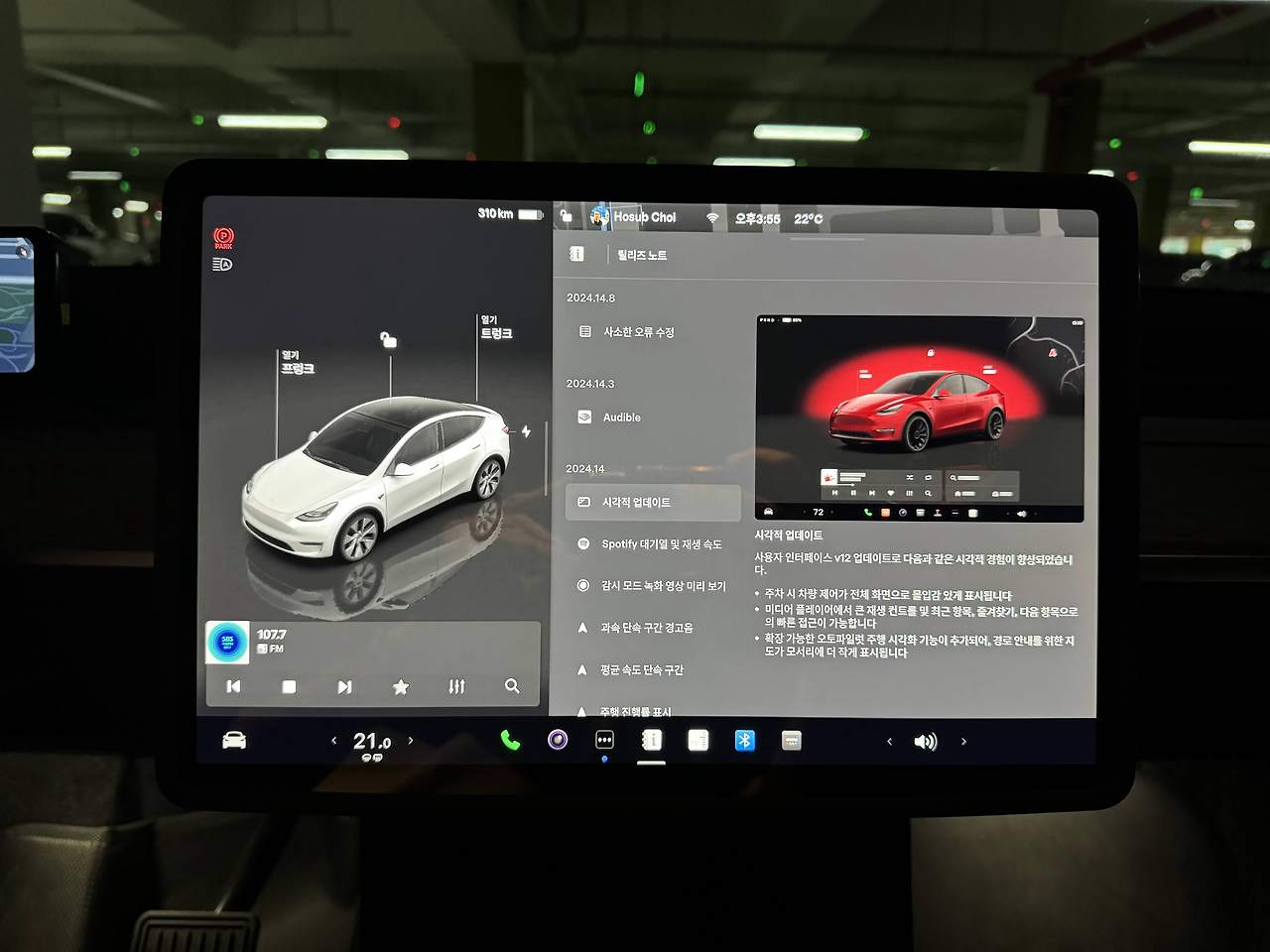
이를 시스템 관점에서 보면 차량의 하드웨어는 모든 기능들을 준비해 두었고, 우리는 의도를 바탕으로 특정 기능을 실행합니다. 그 사이에 끼어 있는 것이 운영체제, 그리고 각 스위치와 버튼으로 대표되는 메뉴들이지요. 하지만 인공지능은 그 사이의 복잡한 절차들을 건너 뛰고 차량과 탑승자가 직접 ‘대화’라는 인터페이스로 소통하도록 해 주는 것이지요.
From a systems perspective, the vehicle's hardware already contains all the functions it needs. Drivers simply express an intention, and the system activates the appropriate feature. Until now, that process has relied on the operating system and layers of menus, switches, and buttons. AI changes this entirely. Instead of navigating through complex interfaces, drivers and passengers can communicate directly with the vehicle through natural conversation. In other words, conversation itself becomes the interface.
또한 대화의 맥락은 모두 이용자 기반으로 이어지기 때문에 스마트폰에서 나누던 대화를 이어갈 수도 있고, 차량에서 나눈 대화가 다시 PC로 연결되기도 합니다. 맥락과 공간의 연속성이 차량까지 확대되는 것이지요. 제 개인적으로도 최근 혼자 운전을 할 때면 챗GPT나 제미나이 등의 실시간 음성 대화 기능을 켜 두고 특정 주제에 대해서 이야기를 나눕니다. 최근 이슈에 대한 리뷰를 하거나 읽은 책에 대해서 토론을 하기도 하고, 쓰려는 글의 구조를 말로 정리하기도 합니다. 지금 여러분이 읽고 있는 이 글도 지방 출장을 다녀오는 몇 시간 동안 운전석에서 AI에게 이야기하며 뼈대를 잡았습니다.
Because AI understands context across devices, interactions are no longer limited to a single screen. A conversation that starts on your smartphone can continue seamlessly in your car, and later resume on your PC. This continuity of context extends naturally into the vehicle, making it part of a connected digital experience. I have experienced this firsthand. When driving alone, I often turn on the real-time voice conversation feature of ChatGPT or Gemini and discuss a specific topic. Sometimes I ask for perspectives on current issues, debate ideas from a book I've read, or organize the structure of an article I'm writing. In fact, the article you're reading now was first outlined through conversations with AI during several hours of driving on a business trip.
🏘️ 거주 공간으로서의 자동차
The Car as a Living Space
더 나아가 자율주행이 대중화되면 자동차의 관점은 이제 거주 공간을 바라보게 됩니다. 앞으로의 자동차는 점점 운전자의 역할이 줄어들고, 일상의 사고도 줄어들게 되면서 지금처럼 모두가 한 곳을 바라봐야 하는 자리 구조도 의미가 사라집니다. 우리의 차량이 당장 오늘 퇴근길부터 운전을 안 해도 된다면 차 안의 풍경은 어떻게 바뀔까요? 맘 편히 유튜브를 보는 것 말고요.
As autonomous driving becomes mainstream, the role of the car will evolve beyond transportation—it will become a true living space. As drivers spend less time actively driving and road safety continues to improve, today's forward-facing seating layout may no longer be the only option. Imagine that, starting with your commute home today, your car could drive itself. How would you use that time—beyond simply watching YouTube?
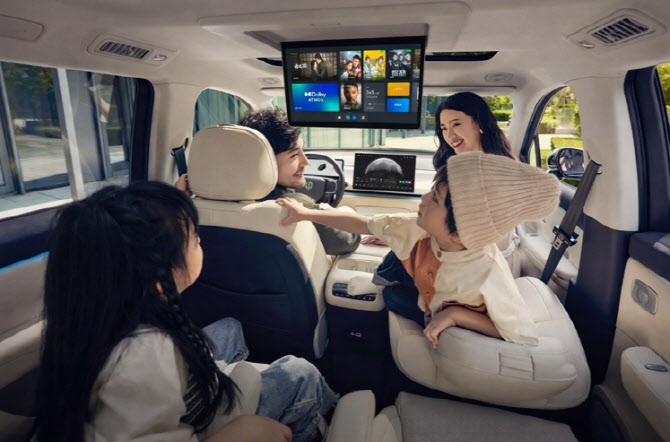
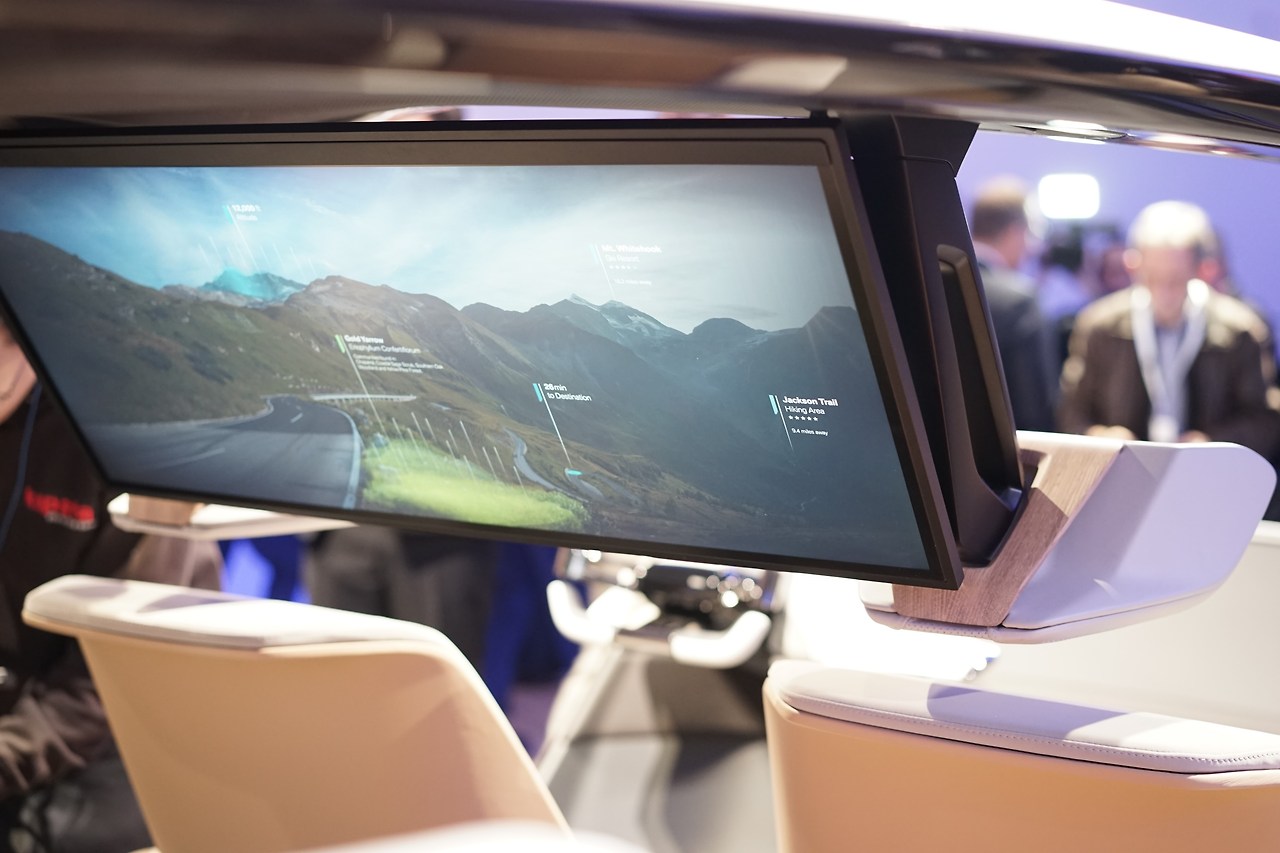
저는 가족이 함께 여행을 떠나는 이미지를 떠올려 봅니다. 고속도로에 올라탄 뒤 운전은 자율주행에 맡겨두고 앞좌석에 탄 엄마와 아빠는 좌석을 180도 뒤로 돌려 앉습니다. 아이들과 마주한 가운데에 테이블을 펼쳐두고 음식을 먹고 보드 게임을 즐깁니다. 차량 천장에 달린 스크린으로 영화를 함께 보기도 합니다. 하지만 긴 이동 시간 모두가 같은 걸 함께 하는 것도 쉽지 않습니다. 어느새 누군가는 음악을 들으며 책을 읽기도 하고, 보고 싶던 영상을 보기도 합니다. 누군가는 팟캐스트를 들으며 낮잠을 즐길 수도 있습니다.
I picture a family setting off on a road trip. Once the vehicle enters the highway, autonomous driving takes over. The parents rotate their front seats to face the children in the back, unfold a table, enjoy a meal together, or play board games. A movie plays on a screen mounted on the ceiling, turning the cabin into a shared entertainment space. Of course, not everyone wants to do the same thing throughout a long journey. Before long, one person is reading a book while listening to music, another is watching a favorite video, and someone else is enjoying a podcast before drifting off for a nap. The car is no longer just a place to get from one destination to another—it is becoming a space where each passenger can spend time in their own way.
이때 보통은 각자의 이어폰을 꺼내게 됩니다. 하지만 귀를 틀어막는 이어폰, 헤드폰은 사실 공간을 다시 단절하는 요소가 됩니다. 최근 고민되는 오디오의 경험도 이와 연결되어 있습니다. 기존의 음질 중심의 오디오가 아니라 개개인의 공간을 채워주는 독립 오디오 시스템입니다. 각 좌석 주변의 스피커들이 각 자리를 향해 소리를 집중해서 쏴주는 음향 빔포밍 기술을 바탕으로 특정 소리를 정해진 위치에서만 들리도록 집중하는 기술입니다.
At this point, most people would naturally reach for their earbuds or headphones. But while they create a personal listening experience, they also isolate us from the people sharing the same space.
This is where the next generation of in-vehicle audio is headed. Rather than focusing solely on sound quality, automakers are developing personalized audio systems that create individual listening zones. Using audio beamforming technology, speakers direct sound precisely toward each seat, allowing only the intended passenger to hear specific audio.
이 역시 사람이 앉아 있는 곳, 특히 귀의 위치를 지속적으로 파악하고 주변 소음을 실시간으로 분석해 소리를 정확이 맺히도록 하는 과정에서 AI 모델이 공간을 이해하고 정보와 노이즈를 구분해 내는 역할을 해내고 있습니다. 지금은 완전한 엔터테인먼트 시나리오는 아니지만 현대자동차 , 포르셰 등의 프리미엄 차량들에 적용되어서 각자의 음원을 듣거나 운전자에게만 내비게이션 길 안내 목소리가 전달되는 차량 경험이 이어지고 있습니다.
Making this possible requires AI. The system continuously detects where each occupant is seated—particularly the position of their ears—while analyzing ambient noise in real time. AI understands the cabin environment, distinguishes desired sound from background noise, and delivers audio exactly where it is needed.
Although the full entertainment experience is still evolving, premium vehicles from brands such as Hyundai and Porsche already offer features that allow each passenger to enjoy different audio content simultaneously, while navigation guidance can be heard only by the driver.
특히 IT와 AI 기술을 적극적으로 반영하는 중국의 경우 한 단계 넘어 뒷좌석에 탑승한 사람이 전화 통화를 하면 AI로 이를 인지하고 노이즈캔슬링 기술을 이용해서 가상의 소음 차단벽을 세우는 기술도 선보이고 있습니다. 앞에서는 뒷자리의 통화 소리가 들리지 않게 되는 것이지요.
Chinese automakers, known for rapidly adopting AI technologies, are taking this concept even further. Some vehicles can recognize when a rear-seat passenger is making a phone call and use AI-powered noise cancellation to create a virtual sound barrier. As a result, passengers in the front seats are barely aware that a conversation is taking place behind them.
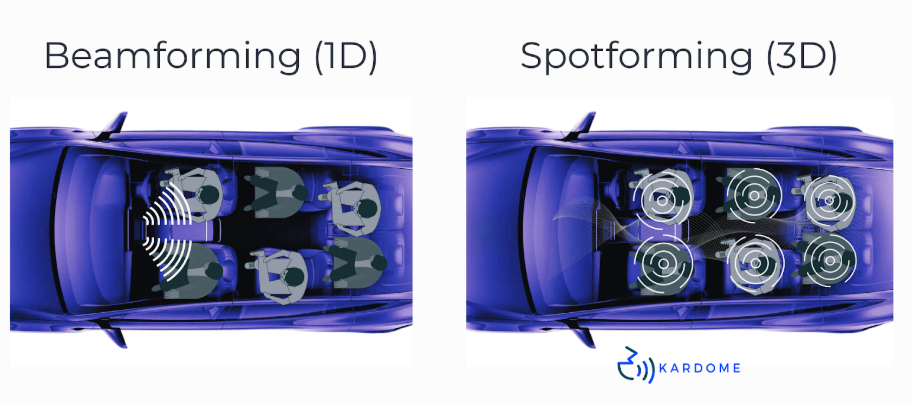
그저 신기한 기술이 아니라 공간을 단절하던 틀을 깨고 AI 기반 스피커와 오디오 시스템을 통해 서로 대화의 장벽을 세우지 않으면서 각자의 콘텐츠를 즐길 수 있는 공간적 변화를 만드는 것입니다. 이어폰은 아주 간단한 개인화의 방법이지만 사실상 단절을 만들어내니 말이지요.
As AI becomes increasingly capable of making confident driving decisions, this transformation of the vehicle's interior will become even more profound. If the system detects a sudden increase in heart rate or rapid breathing, it could recognize signs of stress or a health issue, automatically soften the cabin lighting and adjust the temperature.
AI가 더 적극적으로 확신을 갖고 차량을 제어할 수 있게 되면 이 공간의 변화는 더 파격적으로 이뤄지게 될 겁니다. 운전 중 심박수가 급격히 오르거나 호흡이 가빠지면 스트레스나 건강 상태의 이상을 판단해 조명을 차분한 색으로 바꾸고 온도를 조정하거나, 졸음 운전에 대해 확신하게 되면 스스로 더 강력한 주행 보조 정책을 반영해 휴게소나 졸음쉼터로 이끌거나 안전한 갓길에 차를 정차시켰다가 다시 출발하도록 하는 인지적 움직임도 기술적으로 충분히 가능한 일입니다.
If it determines that the driver is becoming drowsy, it could proactively strengthen driver-assistance functions, guide the vehicle to a rest area, or safely pull over before continuing the journey. From a technological standpoint, these kinds of cognitive, context-aware responses are already well within reach.
🏭 생산부터 관리까지…🤖 AI로 이어지는 브랜드와 소비자의 관계
From Production to Predictive Maintenance: How AI Is Redefining the Relationship Between Brands and Drivers
AI 기술은 차량의 안전에도 직접적인 영향을 끼칩니다. 이미 운전자의 행동과 습관을 인지하고, 졸음 운전이나 주의력이 떨어지는 것을 경고하는 것은 일상적인 기술이 되었지요. 자율주행이나 주행 보조 기능들 역시 운전자의 습관을 배워서 비슷한 느낌으로 운전하도록 진화하고 있습니다.
AI is also playing an increasingly important role in vehicle safety. Today, it is common for vehicles to monitor driving behavior, detect signs of drowsiness or distraction, and warn the driver. Advanced driver assistance and autonomous driving systems are also becoming more personalized by learning each driver's habits and adapting their driving characteristics accordingly.
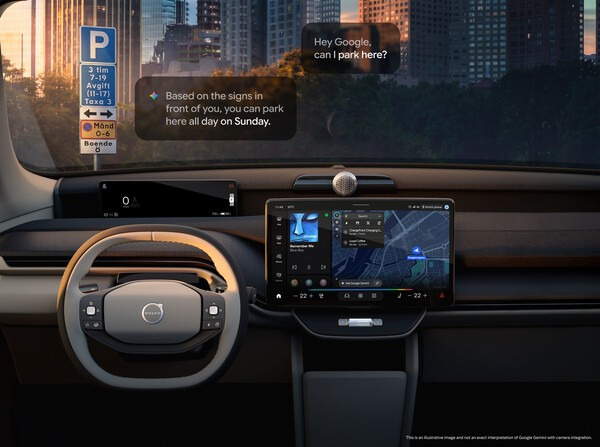
무엇보다 지속적인 차량의 관리라는, 다소 소홀해질 수 있는 안전 주제에도 AI는 깊숙이 파고들고 있습니다. 볼보는 AI의 데이터 분석을 통해 차량의 문제를 미리 파악하고 선제적으로 정비할 수 있는 시스템을 개발했습니다. 신차가 출시되면 기대와 환호가 먼저 눈에 띄지만 엔지니어들은 실제 차량이 험한 일상 환경에서 어떤 문제가 일어나지 않을까 걱정할 수밖에 없습니다.
Beyond driving itself, AI is transforming an area that often goes unnoticed—vehicle maintenance. Volvo, for example, has developed an AI-powered predictive maintenance system that analyzes vehicle data to identify potential issues before they become real problems. While new vehicles are celebrated at launch, engineers know that unexpected issues may only emerge after thousands of cars are driven in real-world conditions.
차량 내에는 수많은 센서가 달려 있고, 대부분의 브랜드는 이 신호들을 내부 컴퓨터인 ECU를 통해 수집합니다. 그 안에서 주행에 문제를 일으킬 수 있는 요소들을 파악해 경고등을 켜서 정비를 받도록 합니다. 하지만 실제 복잡한 기계 안에서는 경고등을 켤 정도는 아니지만 예상했던 것과 조금 다른 패턴으로 움직이는 부품들이 나타나곤 합니다. 이 미세한 정보들을 미리 수집해서 주행 환경과 운전 조건 등의 데이터와 함께 분석하면 실제 문제가 일어나기 전에 많은 문제를 해결할 수 있습니다.
Modern vehicles are equipped with hundreds of sensors, and their data is continuously collected through ECUs (Electronic Control Units). Traditionally, warning lights appear only when a fault reaches a certain threshold. However, many components begin exhibiting subtle abnormalities long before a warning is triggered. By collecting and analyzing these small signals alongside driving conditions and operating data, AI can detect potential failures early and enable preventive maintenance before customers experience any problems.
Volvo has already demonstrated the value of this approach. After only a few weeks and several thousand vehicles in the field, AI identified an emerging issue with a specific component, allowing engineers to quickly implement improvements. This approach has helped enhance the reliability of everything from powertrains and climate-control systems to electronic components, ultimately improving both vehicle quality and safety.
전기차 역시 이 선제적인 정비가 큰 효과를 내는 분야입니다. 전기차는 모터와 배터리라는 상대적으로 단순한 구조로 이루어져 있기는 하지만 고전압 대용량 배터리는 불안정하기 때문에 폭발이나 화재 등의 위험 요소를 안고 있습니다. 또한 배터리에 주어진 환경은 수명과도 직접적인 관계가 있기 때문에 거의 모든 전기차의 배터리는 스스로 컨디션을 체크하고 최적의 온도 환경이 제공되도록 배터리 관리 시스템이 적용됩니다.
Electric vehicles are another area where predictive maintenance is becoming increasingly valuable. Although EVs have simpler mechanical structures than conventional vehicles, their high-voltage battery systems require constant monitoring because battery failures can lead to serious safety risks, including fire. Since battery condition also directly affects lifespan, virtually all EVs are equipped with Battery Management Systems (BMS) that continuously monitor battery health and maintain optimal operating temperatures.
기본적으로는 이 안에서 관리가 이뤄지지만 사고나 뜻하지 않은 문제 요인이 일어났을 때의 판단은 쉽지 않습니다. 이 때문에 최근에는 원격 배터리 모니터링이 함께 이뤄지는 추세입니다. 이를 통해 주행 성능이나 안전, 경험에 전혀 이상이 느껴지지 않는 단계에서도 배터리가 현재 문제를 일으킬 수 있는 가능성이 높아졌다고 예측해 선제적으로 배터리 수리나 교체를 해 내고 있습니다. 배터리의 특성상 내구성이나 밀폐 등 문제가 벌어진 이후에는 화재가 일어날 가능성이 높고, 리튬 배터리 화재는 즉각적인 수습이 어렵기 때문에 앞서 대응하는 것은 곧 공공의 안전과도 연결되는 부분입니다.
Today, however, battery management is extending beyond the vehicle itself. Remote battery monitoring is becoming increasingly common, allowing manufacturers to detect potential battery issues before drivers notice any change in performance or safety. Based on AI analysis, batteries can be proactively repaired or replaced before a failure occurs. Given the nature of lithium-ion batteries—where failures can escalate rapidly and fires are difficult to extinguish—this proactive approach not only protects individual customers but also contributes to broader public safety.
🚗 이동에서 라이프스타일로. AI로 변화하는 다음 세대의 자동차 경험
From Transportation to Lifestyle: How AI Is Shaping the Next Generation of Mobility
AI를 통한 자동차 경험을 다시 돌아보면 제조사와 소비자 사이의 지속적인 관계가 이어지는 연결고리가 될 수 있습니다. 자동차는 아주 복잡한 장치이기 때문에 지속적인 관리가 필요하고, 이는 곧 신뢰와도 이어지게 됩니다. 보증기간이 끝나면 서로가 서먹해지는 경험도 적지 않습니다. 하지만 지속적인 소프트웨어 업데이트로 할 수 있는 일들이 확장되고, 모니터링과 그에 대한 선제적 정비, 때로는 지속적인 원격 관리까지 모든 것이 차량의 경험이고 브랜드의 경험이 될 수 있습니다.
Looking at the bigger picture, AI is transforming the relationship between automakers and drivers into one that extends far beyond the point of purchase.
Because vehicles are highly sophisticated machines, they require continuous care and support—making trust an essential part of the ownership experience. Traditionally, once the warranty expired, the relationship between the brand and the customer often became much more limited. That is now beginning to change. Continuous software updates introduce new features long after the vehicle has been delivered. AI-powered monitoring enables predictive maintenance, while remote diagnostics and over-the-air services keep vehicles connected throughout their lifecycle. In the future, every software, every proactive service, and every intelligent interaction will become part of the driving experience—and ultimately, part of the brand experience itself.
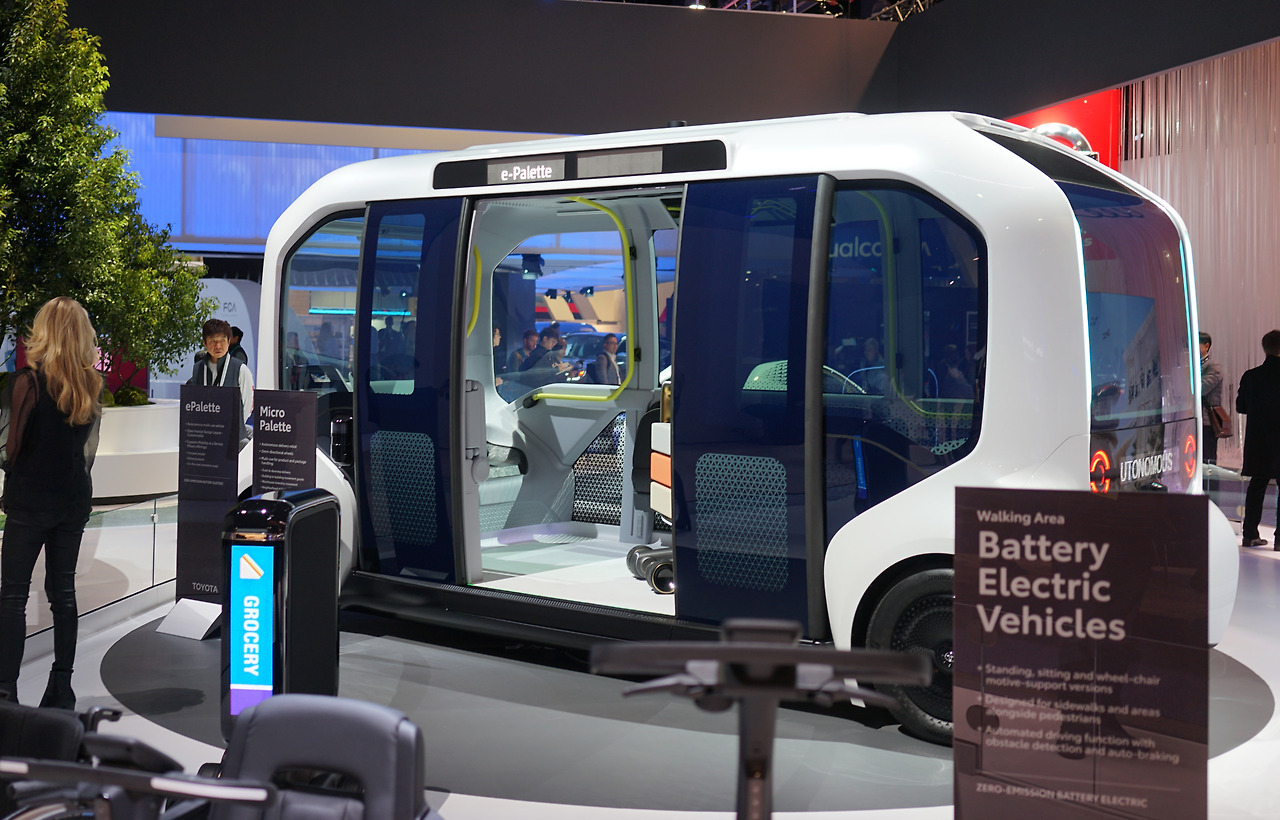
이미 인공지능은 우리의 일상으로 자리를 잡아가고 있습니다. 더 이상 인공지능과 이야기하고, 내 개인정보를 나누는 데에 거부감을 갖지 않습니다. 최근 자동차 제조사들이 피지컬 AI나 로보틱스 기업으로 재평가받는 이유 역시, 자동차가 그 자체로 하나의 '지능형 이동 로봇'으로 진화하고 있기 때문입니다.
AI is already becoming an integral part of our daily lives. We no longer hesitate to talk to AI or share personal information when it helps us receive more personalized services. This is also why many automakers are increasingly being recognized not simply as car manufacturers, but as Physical AI or robotics companies—because the automobile itself is evolving into an intelligent mobility robot.
Cars are no longer just machines that move people from one place to another. Powered by AI, they are extending the digital experiences we enjoy on our smartphones and PCs onto the road. They are learning about their occupants, providing personalized services, and even managing their own safety. In doing so, they are becoming comprehensive mobility platforms.
이제 자동차는 단순한 이동 장치를 넘어 인공지능을 기반으로 스마트폰과 PC의 경험을 도로 위로 확장하고, 탑승자를 이해하면서 스스로 안전까지 관리하는 거대한 서비스 플랫폼으로 진화하고 있습니다. 지난 100년간 이어져 온 ‘어떻게 달릴 것인가’ 중심의 가치가 저물고 AI가 이끄는 다음 100년의 자동차는 공간을 통해 어떤 라이프 스타일을 만들어낼 것인가'에 대한 직접적인 고민이 차별화를 만들어낼 것입니다.
For the past century, the automotive industry has focused on one question: "How can a car drive better?" Over the next century, however, the defining question will become: "What kind of lifestyle can a car create?" The answer to that question—and the experiences enabled by AI—will shape the next era of automotive innovation.
자, 다시 한번 여쭤볼게요. 지금 여러분 마음 속에 있는 그 차, 어떤 부분에 끌리셨나요?
So, let me ask you one more time. What is it about the car in your mind that truly attracts you?
Writer. 최호섭(Hosup Choi)
기계공학을 전공하고 직장생활을 거쳐 IT 칼럼니스트의 길을 걷게 되었다. 모바일 기기를 향한 관심은 디지털 기기와 자동차 등 다양한 기술 분야로 이어졌고, 모든 기술은 결국 하나로 연결된다는 생각으로 꾸준히 공부하고 있다. 배운 것을 쉽고 재미있게 나누는 즐거움 속에서 독자들과 소통을 이어가고 있다.
After majoring in Mechanical Engineering and gaining experience in the corporate world, Hosup Choi pursued a career as an IT columnist. His passion for mobile devices naturally expanded into broader fields of technology, including digital devices and automobiles. Believing that all technologies are ultimately interconnected, he continues to explore and learn across diverse disciplines. Today, he enjoys sharing complex technologies in a clear and engaging way while connecting with readers through his writing.
*본 콘텐츠는 외부 전문가의 의견으로, 당사의 공식적인 견해가 아닙니다.


